Migrant Workers, Porous Borders Mar Southeast Asia Recovery
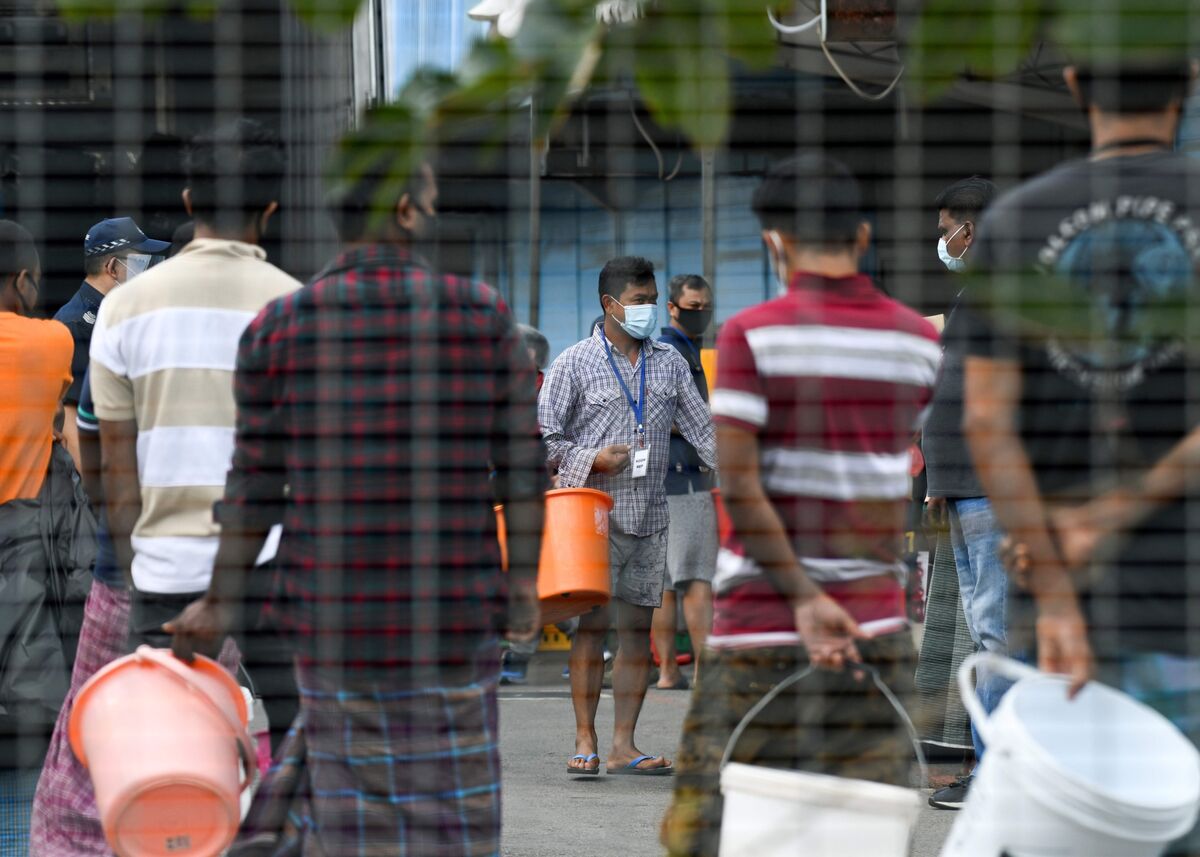
In Southeast Asia, migrant workers at the bottom rungs of society have borne the brunt of Covid-19. Without real efforts to address their plight, the group could prove to be a key risk to the region’s ability to shake off the pandemic.
These workers, numbering some 10 million in Southeast Asia, have become the main vectors of recent resurgences of the coronavirus in countries like Malaysia and Thailand, even as they power the industries that produce goods such as rubber gloves and frozen foods that have soared in demand due to the pandemic.
The problem is forcing governments to confront the flaws of the the low-wage labor model that they have for decades relied on, as they come to terms with the fact that an effective long-term public-health solution will have to involve raising the living and working standards of migrant workers.

have been linked to migrant workers hailing from countries like Bangladesh, Nepal, Myanmar and Indonesia.
Fifth Billionaire Arises From Malaysia’s Glove-Making Trade
Authorities are zeroing in overcrowded conditions in worker dormitories that have been a major factor behind the spread of the virus. Of Malaysia’s more than 1.5 million documented migrant workers, 91% live in accommodation that does not meet the country’s minimum housing standards, according to the Ministry of Human Resources.
One of the major sources of infections in the latest outbreak was factories belonging to rubber glove maker Top Glove Corp., whose shares have soared in the past year. After discovering thousands of infections among workers at Top Glove’s plants in November, the government carried out raids on its dormitories. Authorities are also seeking charges against glove maker Brightway Holdings Sdn. for alleged offenses under various housing standards laws. Top Glove reported at least 305 new Covid-19 cases in the past week.
Malaysian employers must now also provide quarantine centers for migrant staff infected with the coronavirus, Human Resources Minister M Saravanan said earlier this month. They must also pay for medical and living costs, including vaccinations, throughout the quarantine period, he said.
Porous Borders
Those measures, however, cover only documented workers. As Singapore’s success shows, having an strongly enforced border is crucial to tackling the massive problem of illegal migration across Southeast Asia’s porous frontiers.
“If you look at the countries that have been most successful at keeping numbers down so far it’s New Zealand, Australia, Singapore and Taiwan -- one factor they’ve got in common is that they can control the borders more for outside people coming in,” said Peter Collignon, an infectious disease physician and professor at the Australian National University.
Malaysian authorities last year conducted raids on foreign-worker enclaves targeting illegal migrants in the midst of a lockdown, detaining hundreds of people in the process, drawing scrutiny from rights groups. There are believed to be some 2 to 4 million undocumented workers in Malaysia, according to the International Organization for Migration, a United Nations agency.
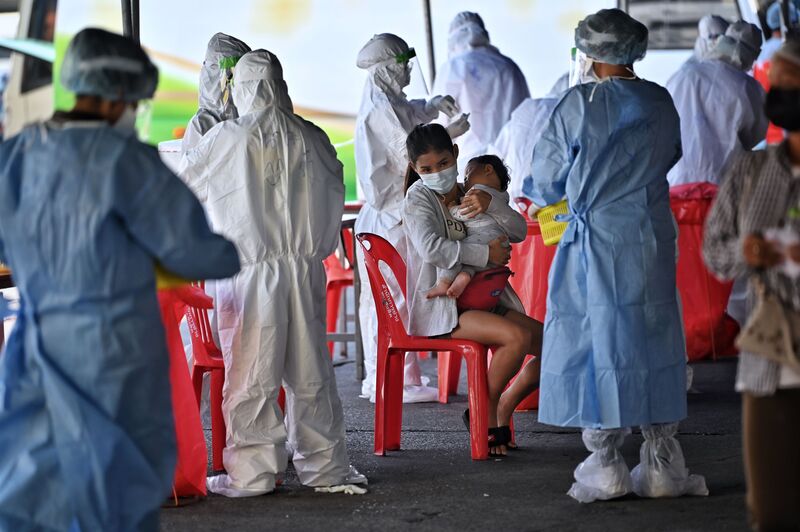
In Thailand, the total number of Covid-19 cases remains relatively low at just over 13,000. However, migrant workers have become the main source of a recent wave of infections and make up about a quarter of all infections in the country, according to Health Ministry data.
Some of the estimated 4 to 5 million migrant workers in Thailand are afforded social protections, but those working in markets or farms and living in cramped shared rooms are at greater risk of contracting the virus.
Komentar
Posting Komentar